

5 Steps to Find Your Accurate Clothing Size
Last Updated: October 25, 2026
Quick Summary
Your accurate clothing size comes from measuring your body correctly, then matching those measurements to a garment's size chart rather than relying on size labels. Take your chest, waist, hip, and inseam measurements twice while wearing fitted clothing and standing against a flat wall, then compare your body measurements to the garment measurements listed on each brand's size chart.
- Measure yourself twice in fitted clothing or undergarments, keeping the tape snug but not tight with one finger able to fit underneath.
- Garment measurements are intentionally larger than body measurements to provide ease and room for movement.
- Brand sizing is inconsistent, so check each brand's size chart rather than assuming a Medium is the same everywhere.
- Key measurements for most clothing are chest or bust, waist, hips, and inseam for bottoms.
- When you fall between two sizes, choose based on fit preference and the garment style, biasing toward comfort.
Table of Contents
- Why Finding Your Accurate Clothing Size Matters
- How to Measure Yourself for Clothes at Home
- How to Measure Waist, Chest, and Inseam
- How to Use a Clothing Size Chart
- How to Find Your Size When Shopping Online
- Common Measurement Mistakes to Avoid
- Start Shopping with Confidence at Chrissy's Eye
- Frequently Asked Questions
Why Finding Your Accurate Clothing Size Matters
Getting your accurate clothing size right changes everything about online shopping. When you know your true measurements, you stop guessing. You stop ordering three sizes to see which one fits.
At Chrissy's Eye, we know that finding the right size is the biggest barrier between you and clothes that actually fit.
The real problem isn't that sizing is hard. It's that most people measure themselves wrong, or they measure right but then don't know how to read a size chart.
How to Measure Yourself for Clothes at Home
Taking accurate body measurements is the foundation for finding your accurate clothing size. The process is straightforward, but the details matter. A difference of half an inch changes everything when you're matching numbers to a size chart.
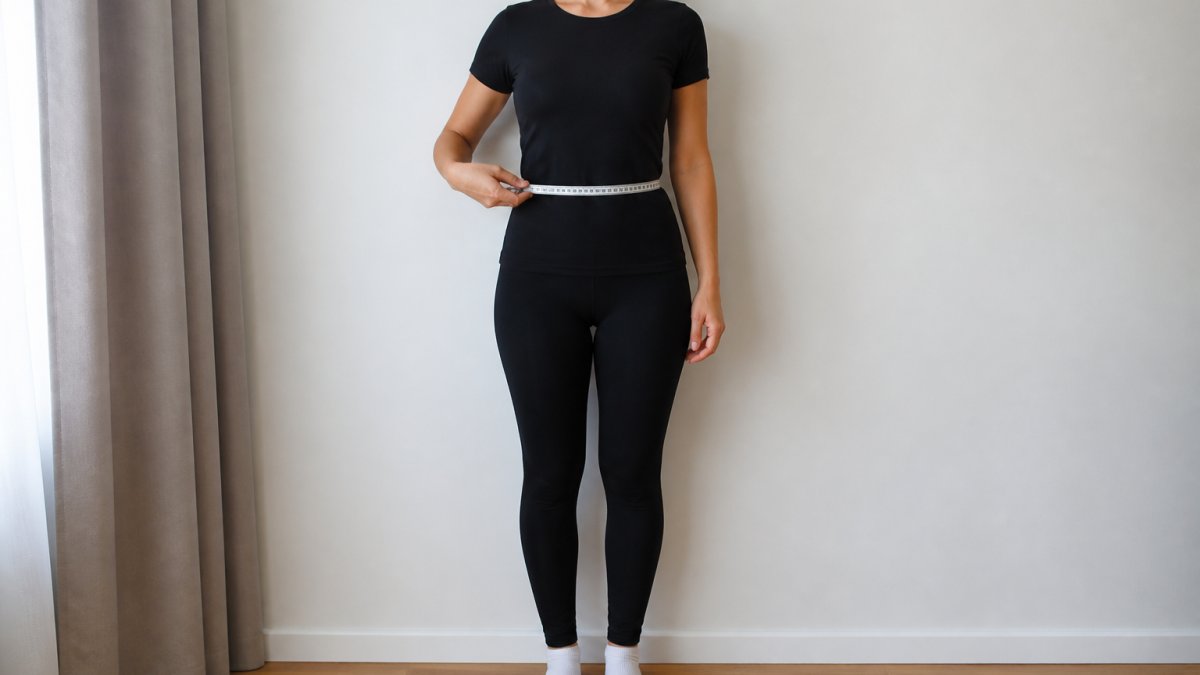
What You'll Need Before You Start
Gather these items before you start measuring:
- A soft measuring tape (cloth or plastic, not metal)
- A mirror (optional but helpful)
- Comfortable, fitted clothing or undergarments
- A flat surface like a wall or doorway
- A notebook or phone to write down your measurements
- A friend to help (optional, but makes accuracy easier)
If you don't have a measuring tape, order one. They cost a few dollars and last for years. Don't try to estimate with string or yarn, you need an actual tape measure for accuracy.
Preparation and Proper Posture
How you position your body changes your measurements. Small posture shifts add up to big size differences.
Stand naturally with your arms by your sides. Don't suck in your stomach or puff it out. Breathe normally.
Wear fitted clothing or undergarments while measuring. Check out a women yoga set to see an example of fitted clothing where accurate measurements are essential for proper fit.
Stand against a flat wall or in a doorway. This keeps you from leaning forward or backward. Keep your feet about six inches apart.
Take each measurement twice. Write both down. If they're within a quarter inch, use the average. If they're different, check your posture and measure again.
How to Measure Waist, Chest, and Inseam
These four measurements cover most of what you need for tops, dresses, and bottoms. You don't need every measurement for every piece, but knowing these four means you can find your accurate clothing size for almost anything.
Chest or Bust Measurement
Your chest or bust measurement is the fullest part of your chest. For most people, this is right at the nipple line.
Wrap the tape around your chest horizontally, parallel to the floor. Keep the tape snug but not tight. You should be able to fit one finger under the tape.
Stand still and breathe normally while someone else reads the number, or check it yourself in a mirror. Write down the measurement in inches or centimeters, whichever your size chart uses.
This measurement matters most for fitted tops, dresses, and jackets. Looser styles rely less on chest measurements.
Waist Measurement
Your natural waist is where your body naturally bends when you lean to the side. Find it by bending slightly to the right. That crease is your natural waist.
Wrap the tape around your natural waist, keeping it parallel to the floor. The tape should sit comfortably, not tight, not loose. Again, you should fit one finger under it.
Breathe normally. Don't hold your breath or suck in. Your waist measurement should reflect how your body actually sits when you're standing and breathing.
This is the measurement that matters most for pants, skirts, and dresses. It's the anchor point for most garments.
Hip Measurement
Your hip measurement is the fullest part of your hips and bottom. This is usually 7-9 inches below your natural waist.
Wrap the tape around the fullest part, keeping it parallel to the floor. Use the same one-finger rule: snug but not tight.
This measurement is critical for bottoms. Pants, skirts, and dresses need enough room through the hips. If your hip measurement is significantly larger than your waist measurement, pay attention to hip sizing on size charts.
Inseam Measurement
Your inseam is the length of your leg from your inner thigh to your ankle. This determines how long pants should be.
Wear the shoes you plan to wear with the pants. Stand with your feet about 12 inches apart.
The tape should be parallel to the floor and run straight down the inside of your leg. Some people measure to the ankle bone instead of the shoe heel, that's fine, just be consistent.
Inseam matters for all bottoms. Too short looks wrong. Too long bunches up or drags.
How to Use a Clothing Size Chart
A size chart is the bridge between your measurements and the actual size you order. But most people read them wrong because they confuse body measurements with garment measurements.
Reading Garment Measurements vs. Body Measurements
Here's the key difference: your body measurements are you. Garment measurements are the actual piece of clothing.
A garment is supposed to be bigger than your body. That's how it fits.
Most size charts show garment measurements. Some show body measurements. You need to know which one you're looking at.
Y2k 2000s Statue of Liberty Diamonds Denim Pants Women Casual High Waist →
If the chart says "Garment Chest: 42 inches" and your chest measures 38 inches, that's normal.
Read the chart header carefully. You can practice using a brand's actual size chart on this crisscross surplice neck blouse after you've learned how to read one.
| Measurement | Your Body | Garment Size | What This Means |
|---|---|---|---|
| Chest | 36 inches | 40 inches | 4 inches of ease (fitted) |
| Chest | 36 inches | 42 inches | 6 inches of ease (relaxed fit) |
| Waist | 30 inches | 32 inches | 2 inches of ease (tight) |
| Waist | 30 inches | 34 inches | 4 inches of ease (comfortable) |
Matching Your Measurements to a Size
Start with the measurement that matters most for that garment. For a dress, that's usually bust and waist. For pants, that's waist and inseam.
Find your body measurement on the chart. Then look across to the garment measurement. That's the size you want.
If your chest is 38 inches and the chart shows "Medium: Garment Chest 41 inches," then Medium is right for you.
If you fall between two sizes, consider the fit preference. Do you like things fitted or loose? If you like fitted, go down.
Write down the size recommendation. Don't rely on memory when you're shopping.
How to Find Your Size When Shopping Online
Online shopping is where your measurements earn their value. You have the data. Now use it.
Handling Inconsistent Brand Sizing
Brand sizing isn't consistent. A Medium from one brand might be a Large from another. This is why your measurements matter more than the size label.
Before you order from a new brand, check their size chart. Try matching your measurements to a plus-size striped shirt to practice applying your measurement techniques to actual products. Compare their garment measurements to your body measurements.
Some brands run small. Some run large. Some fit differently through the hips or chest. A size chart tells you exactly how that brand's pieces fit.
Keep a notes file or spreadsheet with your measurements and the size you wear from each brand.
What to Do When You Fall Between Sizes
Sometimes your measurements land right between two sizes. You're a 6 in one measurement and an 8 in another. What do you do?
First, decide what matters most. For a fitted dress, bust and waist matter equally. For a loose top, neither matters as much.
Second, consider the fit you want. A fitted style needs to be closer to your measurements.
Third, check the returns policy. If returns are free and easy, order both sizes.
When you're between sizes, bias toward comfort. See how to match your body measurements to available sizes with this plus-size floral print dress as an example.
Common Measurement Mistakes to Avoid
Most measurement errors come from the same few mistakes. Watch out for these:
Measuring over bulky clothes. Wear fitted clothing or undergarments. Bulky sweaters and jackets hide your actual shape and throw off every measurement.
Pulling the tape too tight. Your tape should be snug, not compressing your body.
Measuring while holding your breath. Breathe normally. Your measurements should reflect your body at rest, not your body under tension.
Confusing body measurements with garment measurements. A garment is supposed to be bigger than your body. That's normal.
Not checking the measurement units. Some charts use inches, some use centimeters. Mixing them up changes everything. Double-check before you order.
Measuring just once. Measure twice. If the numbers are close, use the average.
Ignoring brand fit notes. Many brands add notes like "runs small" or "generous in the chest." Read these notes.
Start Shopping with Confidence at Chrissy's Eye
Finding your accurate clothing size isn't complicated once you know how. Take your measurements. Check the size chart. Match your numbers to the garment. Order with confidence.
At Chrissy's Eye, we make this easier with detailed size charts on every product. We also carry extended sizes for women, men, and plus-size shoppers, so you're not forced into a size that doesn't fit your body.
When you know your measurements and you shop with brands that provide detailed size charts, returns drop. Fit improves. Shopping becomes what it should be: relaxing and stress-free. That's what we're here for.
Frequently Asked Questions
How do I get accurate clothing measurements at home?
Wear thin, fitted clothing or undergarments. Stand straight with arms relaxed by your sides against a flat surface or wall. Use a soft measuring tape, keeping it parallel to the floor and level around your body. Don't pull the tape too tight, it should sit snugly but allow one finger to slip underneath. Write down each measurement to the nearest whole centimetre or half-inch. Measure twice to verify accuracy, and ask someone to help if you're measuring areas you can't easily reach yourself.
Why do clothing sizes vary between brands?
Different brands use different sizing standards based on their target market, design philosophy, and manufacturing location. A size 12 at one brand might fit like a size 10 or 14 at another. This is why body measurements matter more than the size label itself. Always check the specific size chart for each brand before ordering online, as garment measurements (the actual dimensions of the finished piece) vary significantly even within the same size number across different manufacturers.
What should I do if my measurements fall between two sizes?
Consider your fit preference and the garment type. If you prefer a fitted look, size down. If you like room to move or plan to layer, size up. Check the product description for fit notes, some pieces run loose or tight. For tops, prioritize chest fit since alterations are harder there. For bottoms, prioritize waist fit. Read customer reviews on the specific item to see how others with similar measurements found the fit. At Chrissy's Eye, our customer service team can help you choose the best size based on your exact measurements and preferences.
How do I know if a size chart is reliable?
A reliable size chart includes specific measurements for each size in centimetres or inches, lists multiple body points (chest, waist, hips, length), and distinguishes between body measurements and garment measurements. Charts that say 'runs large' or 'runs small' signal the brand understands fit variations. Check customer reviews to see if people mention sizing accuracy. When shopping at Chrissy's Eye, our size charts are based on careful measurements of actual garments, and our team is available to answer questions if you're unsure which size to order.
Stop guessing at your size. Measure yourself once, use your numbers every time you shop, and find clothes that actually fit your body.
